
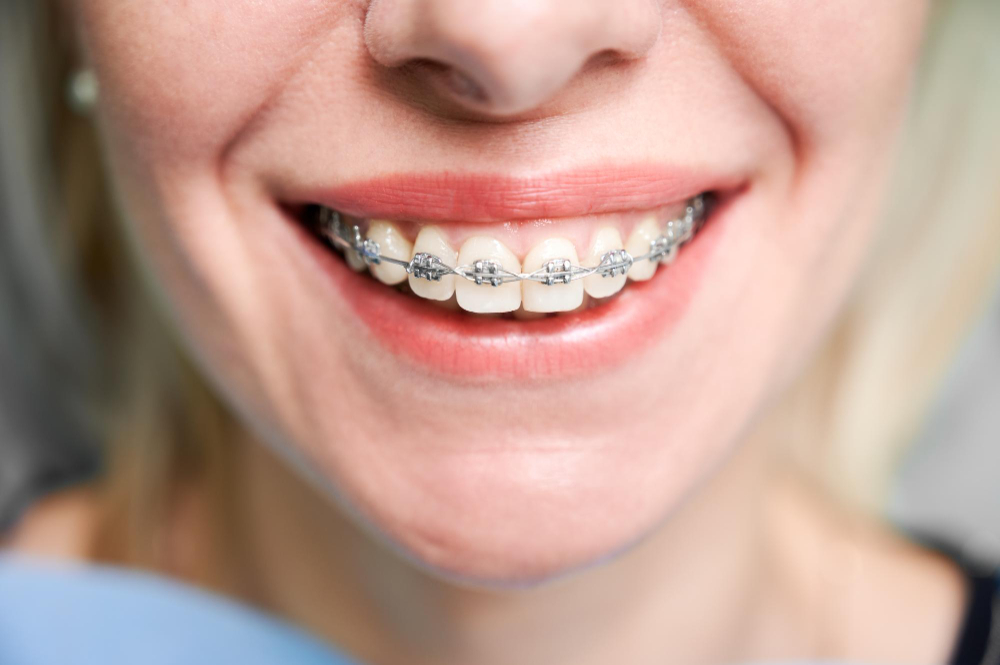
Dental Braces: Benefits, Procedure, Care, and What to Expect

Dental braces are special devices that help straighten teeth and fix bite problems. Many people choose dental braces to improve their smile and oral health. In this blog, you will learn what dental braces are, who needs them, the types available, and how the process works. We will also cover the benefits, common challenges, care tips, and answer some frequently asked questions about dental braces.

What Are Dental Braces?

Dental braces are tools used by dentists to move teeth into better positions. Usually, they are made of metal, ceramic, or clear materials. Braces use gentle pressure to slowly shift teeth over time. As a result, your teeth become straighter, and your bite improves. According to the American Dental Association (ADA), braces can help with crowded, crooked, or spaced teeth.

Who Needs Dental Braces?

Not everyone needs dental braces. However, many children, teens, and adults can benefit from them. You may need braces if you have:

  • Crooked or crowded teeth
  • Gaps between teeth
  • Overbite or underbite (when teeth do not meet properly)
  • Jaw problems or pain
  • Difficulty cleaning teeth due to their position
  • For example, your dentist may suggest braces if you have trouble chewing or speaking. Early treatment can prevent bigger problems later.

    Types of Dental Braces

    Today, there are several types of dental braces. Each type has its own benefits. Here are the most common options:

  • Metal Braces: These are the traditional type. They use metal brackets and wires. Although they are easy to notice, they are strong and effective.
  • Ceramic Braces: These braces use clear or tooth-colored brackets. As a result, they are less visible than metal braces.
  • Lingual Braces: Dentists place these braces behind your teeth. Therefore, they are hidden from view.
  • Clear Aligners: These are removable, clear trays. Invisalign is a popular brand. Many people like them because they are almost invisible and easy to clean.
  • Your dentist will help you choose the best type for your needs and budget.

    The Dental Braces Procedure: Step-by-Step

    Getting dental braces is a step-by-step process. Here is what you can expect:

  • Consultation: First, your dentist or orthodontist checks your teeth and takes X-rays.
  • Planning: Next, they create a treatment plan just for you.
  • Placement: Then, the dentist attaches brackets to your teeth and connects them with wires.
  • Adjustments: Every few weeks, you visit the dentist for adjustments. These visits help move your teeth into the right place.
  • Removal: After your teeth are straight, the dentist removes the braces.
  • Retainers: Finally, you may need to wear a retainer to keep your teeth in place.
  • Most people wear braces for 1 to 3 years. However, the time depends on your needs.

    Benefits of Dental Braces

    Dental braces offer many benefits. Some of the most important include:

  • Straighter teeth and a better smile
  • Improved bite and chewing
  • Easier cleaning and better oral hygiene
  • Lower risk of tooth decay and gum disease
  • Less jaw pain or discomfort
  • Boosted self-confidence
  • According to the CDC, good oral health can improve your overall well-being. Braces help you achieve this.

    Common Challenges and How to Overcome Them

    Wearing dental braces can bring some challenges. However, most problems are easy to manage. Here are some common issues and tips to overcome them:

  • Soreness: Your mouth may feel sore after adjustments. Try eating soft foods and using saltwater rinses.
  • Broken Brackets or Wires: If something breaks, call your dentist right away. Do not try to fix it yourself.
  • Food Getting Stuck: Brush and floss carefully after every meal. Special brushes can help clean around braces.
  • Speech Changes: Some people notice changes in speech at first. Usually, this gets better with time.
  • With patience and good care, you can handle these challenges easily.

    Caring for Your Braces: Tips and Best Practices

    Proper care is important for healthy teeth and gums during treatment. Here are some dental braces care tips:

  • Brush your teeth after every meal
  • Use a soft-bristled toothbrush and fluoride toothpaste
  • Floss daily with special flossers or threaders
  • Avoid sticky, hard, or chewy foods
  • Wear a mouthguard if you play sports
  • Visit your dentist regularly for check-ups
  • Following these tips can help prevent cavities and keep your braces in good shape.

    Frequently Asked Questions About Dental Braces

  • How do dental braces work? Braces use gentle pressure to move teeth into better positions over time.
  • What is the cost of dental braces? The cost depends on the type and length of treatment. Your dentist can give you an estimate.
  • Are braces painful? You may feel some discomfort, especially after adjustments. However, this usually goes away in a few days.
  • Can adults get dental braces? Yes, many adults choose braces to improve their smile and oral health.
  • How long do I need to wear braces? Most people wear them for 1 to 3 years, but it varies for each person.
  • When to Consult a Dentist

    If you notice crooked teeth, bite problems, or jaw pain, it is a good idea to see a dentist. Early visits can help spot issues before they get worse. Your dentist will check your teeth and suggest the best treatment. Remember, only a qualified dentist or orthodontist can tell if dental braces are right for you.

    For the best results, consult a qualified dentist at Apollo Dental to find out if dental braces are right for you.