What Is a Cracked Tooth?
A cracked tooth is a tooth with a small or large break in its surface. Sometimes, the crack is hard to see. However, it can cause pain or discomfort. A cracked tooth can happen to anyone. Early care helps prevent bigger problems. Dentists often see cracked teeth in adults, but children can get them too.
Common Symptoms of a Cracked Tooth
Many people do not notice a cracked tooth right away. Still, certain signs can help you spot the problem. For example, you may feel pain when you bite or chew. Other symptoms include:
If you notice these symptoms, it is important to see a dentist soon. Early treatment can save your tooth.
Causes and Risk Factors
There are many reasons why a tooth might crack. For instance, biting down on hard foods like ice or nuts can cause a crack. Other common causes include:
Some people are more at risk. For example, those who clench their teeth or have had dental work before may be more likely to get a cracked tooth.
Diagnosis Methods
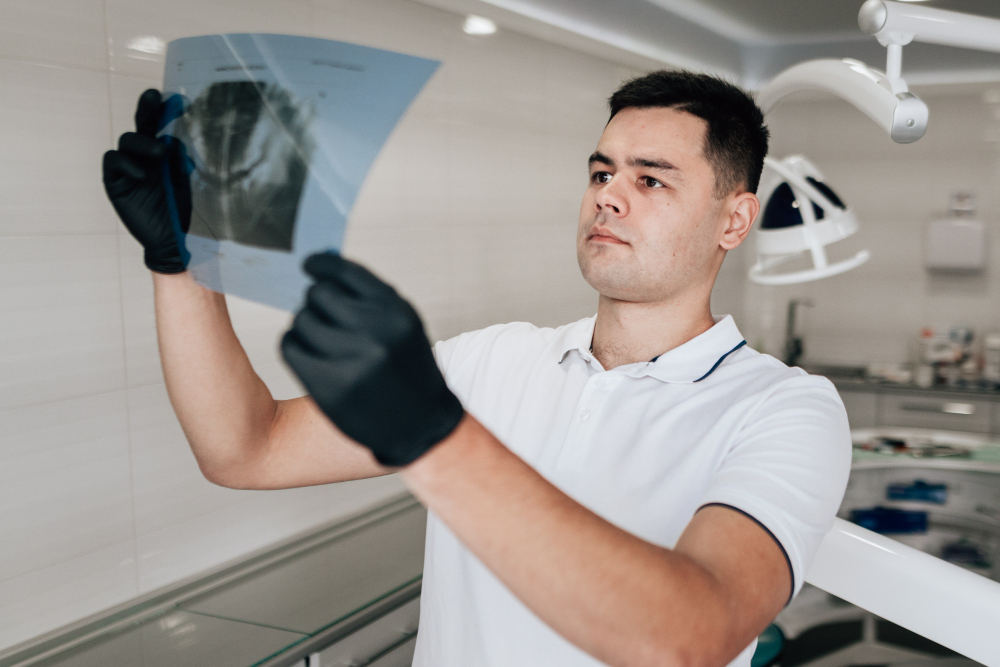
Sometimes, a cracked tooth is hard to spot. Even so, dentists use several ways to find cracks. First, your dentist will ask about your symptoms. Next, they will look at your mouth and teeth. They may use:
Because some cracks are tiny, regular dental check-ups are important. Early diagnosis helps prevent tooth loss.
Treatment Options for a Cracked Tooth
Treatment depends on the size and location of the crack. Your dentist will suggest the best option for you. Common cracked tooth treatment options include:
With early care, many cracked teeth can be saved. Ask your dentist about how to fix a cracked tooth in your case.
Prevention Tips
Although not all cracks can be prevented, you can lower your risk. Try these tips:
By following these steps, you can help keep your teeth strong and healthy.
Lifestyle and Home Care Guidance
While waiting to see your dentist, you can take steps at home. For example, avoid chewing on the side with the cracked tooth. Also, eat soft foods to prevent more damage. Brush gently and use a soft toothbrush. If you feel pain, over-the-counter pain relief may help. However, do not use your tooth to open packages or bite hard objects. These habits can make cracks worse.
Conclusion: When to See a Dentist
In summary, a cracked tooth can cause pain and lead to bigger problems if ignored. Early signs include pain, sensitivity, and swelling. If you notice any symptoms, do not wait. Consult Apollo Dental for personalized advice about cracked tooth concerns. Early care can save your tooth and keep your smile healthy.