
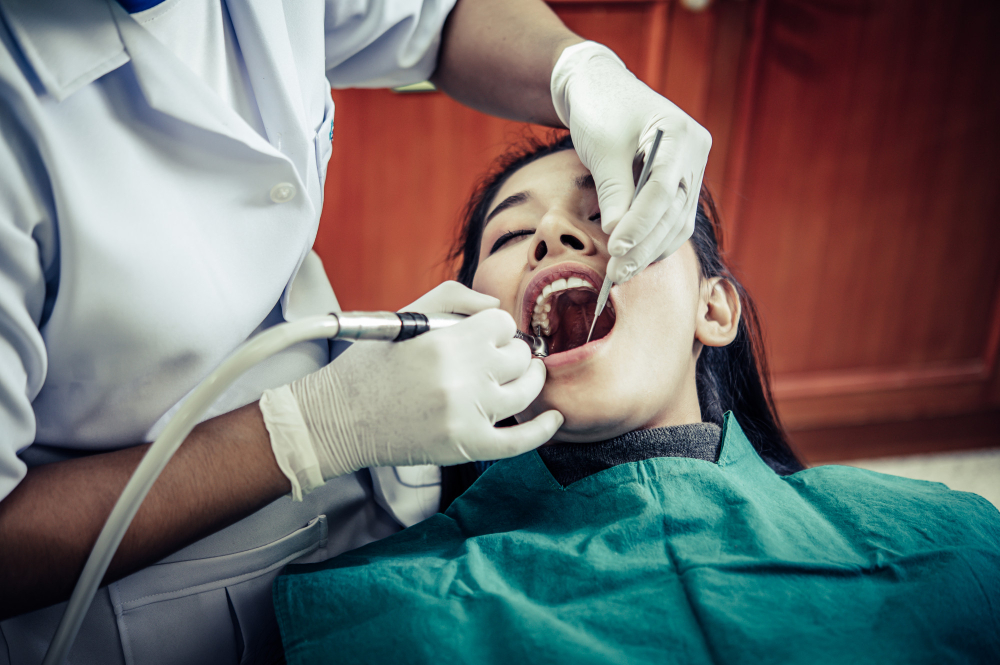
What is Flap Surgery in Dentistry?
Flap surgery in dentistry is a common treatment for gum disease. Dentists use this procedure to clean the roots of teeth and repair gum tissue. During flap surgery, the dentist lifts a section of the gum to reach deeper areas. This helps remove plaque and tartar that regular cleaning cannot reach. As a result, it can help save teeth and improve oral health after flap surgery. According to the American Dental Association, flap surgery is safe and effective for many patients.
Indications: When is Flap Surgery Needed?
Not everyone needs flap surgery. However, your dentist may suggest it if:
Sometimes, flap surgery is also needed before placing dental implants. If you notice bleeding gums, loose teeth, or swelling, talk to your dentist. Early treatment can prevent more serious problems.
Step-by-Step Procedure Overview
First, your dentist will numb the area with local anesthesia. Next, they make a small cut in the gum. Then, the gum is gently lifted to show the tooth roots and bone. The dentist removes plaque, tartar, and any damaged tissue. Sometimes, they smooth the bone to help the gum heal better. After cleaning, the gum is placed back and stitched. The whole process usually takes about one hour. Most patients go home the same day.
Benefits and Expected Outcomes
Flap surgery offers many benefits. For example, it can:
Many patients notice less bleeding and swelling after healing. Gum flap surgery benefits also include better breath and a healthier smile. According to the CDC, treating gum disease early can help prevent tooth loss.
Recovery Process and Aftercare Tips
Dental flap surgery recovery is usually quick. Most people feel better in a few days. However, you may have mild pain or swelling at first. Your dentist may give you pain medicine or suggest using ice packs. To help healing, follow these tips:
Always follow your dentist’s instructions. If you notice heavy bleeding, fever, or severe pain, contact your dentist right away.
Risks and Possible Complications
Like any surgery, flap surgery has some risks. But, most people recover without problems. Possible complications include:
However, these issues are rare when you follow aftercare advice. Your dentist will check your healing at follow-up visits.
Prevention and Oral Hygiene Guidance
Good oral hygiene can help prevent the need for flap surgery. For best results, try these steps:
With proper care, you can keep your gums healthy and lower your risk of gum disease. The World Health Organization also recommends regular dental visits for everyone.
In summary, flap surgery in dentistry can help treat gum disease and save your teeth. If you have questions or think you may need this treatment, consult Apollo Dental to learn if flap surgery is right for you.