Introduction
Many people wonder about the best way to keep their mouths healthy. The debate of flossing vs mouthwash is common. Flossing means cleaning between your teeth with a thin string. Mouthwash is a liquid you swish in your mouth to kill germs. Both help with oral hygiene, but which is better? Let’s explore how each works and what experts recommend.
How Flossing Works
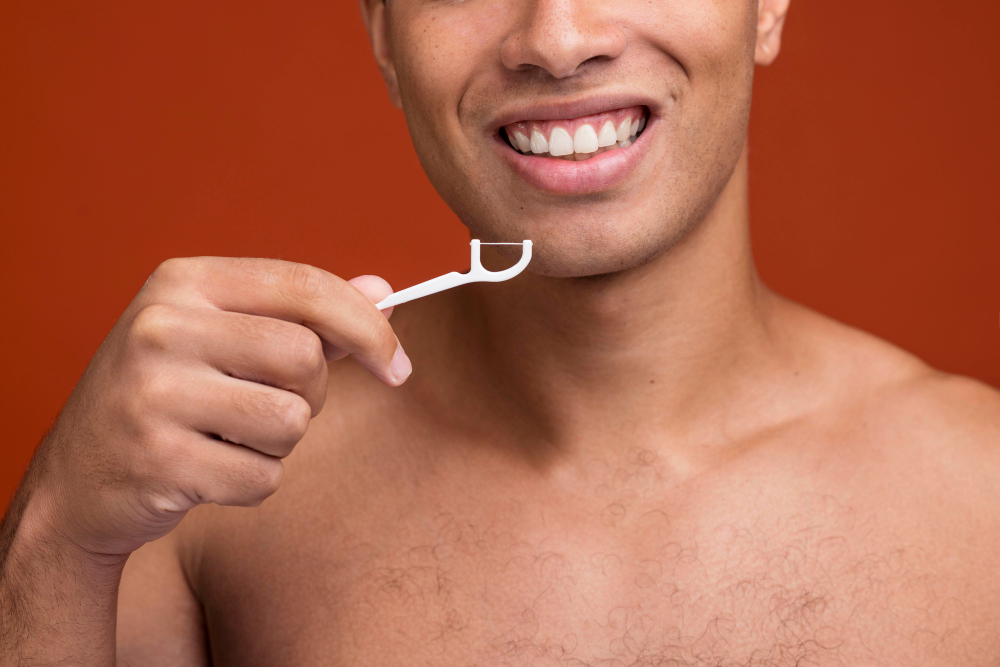
Flossing removes food and plaque from between your teeth. Plaque is a sticky film that can cause cavities and gum disease. When you floss, you reach spots your toothbrush cannot clean. According to the CDC, daily flossing helps prevent gum problems and tooth decay.
However, flossing takes practice. But with regular use, it becomes easy and quick.
How Mouthwash Works
Mouthwash is a liquid that you swish around your mouth. It can kill germs, freshen breath, and sometimes help with plaque. There are different types of mouthwash:
According to the American Dental Association, mouthwash can be a helpful part of oral hygiene. Still, it does not remove food or plaque stuck between teeth.
Flossing vs Mouthwash: Key Differences
Both flossing and mouthwash help keep your mouth clean. However, they work in different ways. Here are the main differences:
So, while both are useful, they do not replace each other.
When to Use Flossing, Mouthwash, or Both
For the best oral health, experts suggest using both. But sometimes, you may need one more than the other:
However, always follow your dentist’s advice for your unique needs.
Common Myths and Facts
Tips for Optimal Oral Hygiene
To keep your mouth healthy, try these simple steps:
With these habits, you can protect your teeth and gums for life.
Summary and Takeaway
In summary, the flossing vs mouthwash debate is not about choosing one over the other. Both play important roles in oral hygiene. Flossing removes food and plaque between teeth, while mouthwash kills germs and freshens breath. For the best results, use both as part of your daily routine. If you have questions about your oral care, consult your dentist at Apollo Dental for personalized advice.