
Introduction
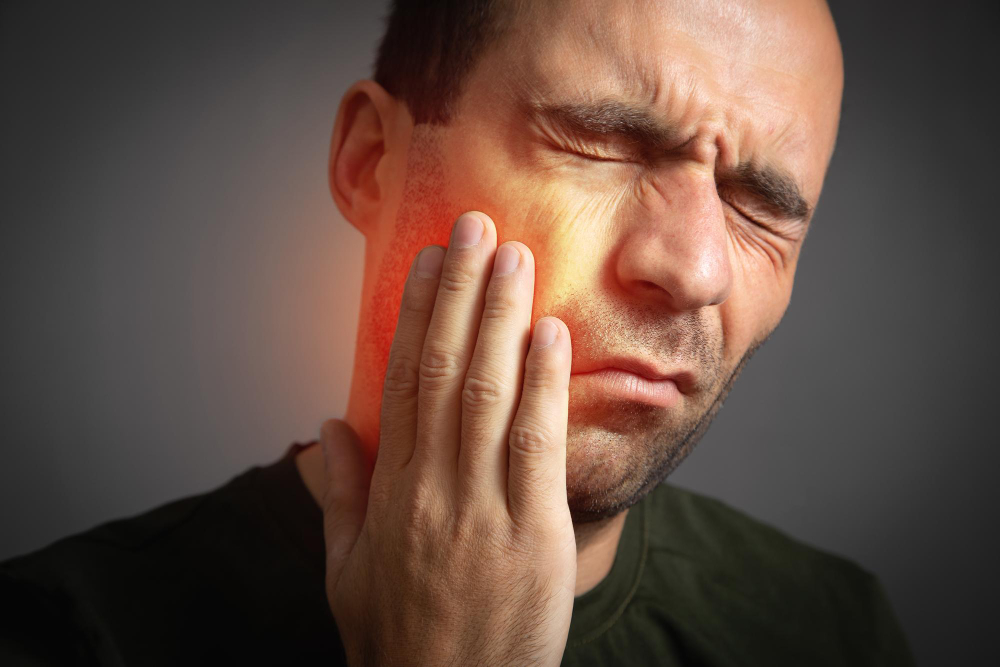
Orofacial pain is a term used to describe pain felt in the mouth, face, or jaws. In dentistry, orofacial pain is important because it can affect daily life, eating, and speaking. Many people experience this pain at some point. Sometimes, it can be mild, but other times, it can be severe. Early understanding and care can help manage orofacial pain and prevent further problems. Dentists often help diagnose and treat this condition.
Common Symptoms of Orofacial Pain
Orofacial pain can show up in many ways. For example, you might feel pain in your jaw, cheeks, or teeth. Sometimes, the pain is sharp. Other times, it is dull or throbbing. In addition, you may notice:
However, symptoms can vary from person to person. If you notice any of these signs, it is wise to talk to a dentist.
Causes of Orofacial Pain
There are many reasons why orofacial pain may occur. Some common causes include:
Sometimes, the cause is easy to find. Other times, it may take several tests to discover the reason. For this reason, seeing a dental specialist is important if pain lasts more than a few days.
How Orofacial Pain is Diagnosed
Diagnosing orofacial pain starts with a dental exam. First, the dentist will ask about your symptoms and medical history. Next, they will check your mouth, teeth, and jaw. Sometimes, X-rays or other scans are needed. These tests help find hidden problems, such as tooth decay or jaw joint issues. In some cases, the dentist may refer you to a specialist for further tests. Early diagnosis helps guide the right treatment and can prevent the pain from getting worse.
Treatment Options for Orofacial Pain
Treatment depends on the cause of the pain. Common options include:
However, most people find relief with simple treatments. Your dentist will explain the best plan for you. According to the American Dental Association, early care leads to better results.
Lifestyle Tips and Prevention
There are steps you can take to lower your risk of orofacial pain. For example:
By following these tips, you can help keep your mouth and jaw healthy. Prevention is always better than cure.
When to See a Dentist or Specialist
It is important to know when to seek help. You should see a dentist if:
Early treatment can prevent serious problems. If your dentist cannot find the cause, they may refer you to a specialist, such as an oral surgeon or pain expert.
Frequently Asked Questions (FAQs) about Orofacial Pain
Conclusion
Orofacial pain can affect your daily life, but help is available. Early diagnosis and treatment are key to relief. If you have ongoing pain in your mouth, face, or jaw, do not wait. Consult a dental specialist at Apollo Dental for personalized guidance.