What Is Gum Recession?
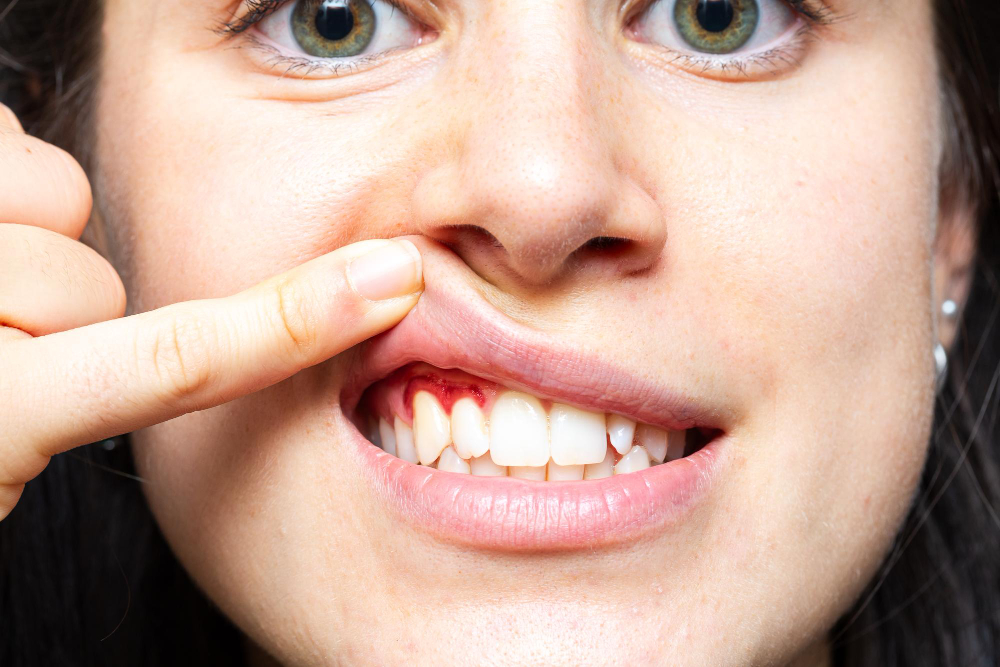
Gum recession happens when the gum tissue pulls away from the teeth. As a result, more of the tooth or its root becomes visible. This condition is called gum recession. It can affect people of any age, but it is more common in adults. Even though it may seem minor, gum recession is important to address. Left untreated, it can lead to tooth sensitivity, decay, and even tooth loss.
Common Symptoms of Gum Recession
Sometimes, gum recession develops slowly. Therefore, you may not notice it right away. However, there are signs to watch for. Early detection helps prevent further damage. Common symptoms include:
If you notice any of these symptoms, it is wise to see a dentist soon. Prompt care can protect your oral health.
Main Causes of Gum Recession
There are several reasons why gums may recede. Understanding the causes can help you prevent gum recession. Some common receding gums causes include:
How Dentists Diagnose Gum Recession
When you visit a dentist for receding gums, they will check your mouth carefully. First, the dentist will look at your gums and teeth. Next, they may use a small tool to measure how much the gums have pulled away. Sometimes, X-rays help check the bone around your teeth. In many cases, early diagnosis leads to better gum recession treatment.
Treatment Options for Gum Recession
Treatment depends on how severe the gum recession is. Your dentist will suggest the best option for your needs. Here are some common gum recession treatment choices:
For the best results, always follow your dentist’s advice for gum health. Early treatment can help prevent further problems.
Tips for Preventing Gum Recession
Although gum recession can be treated, prevention is always better. Here are some tips for preventing gum recession:
By following these steps, you can lower your risk of gum problems. Regular dental visits help catch issues early.
Lifestyle and Home Care Guidance
Taking care of your gums at home is important. First, use gentle brushing and flossing techniques. Next, choose toothpaste for sensitive teeth if you have discomfort. You should also rinse with an antibacterial mouthwash to reduce bacteria. If you notice any changes in your gums, contact your dentist for advice. Additionally, stay hydrated and limit sugary snacks. These simple habits support healthy gums and teeth. For more guidance, ask your dental team about the best home care for your needs.
Conclusion
If you notice signs of gum recession or have concerns about your gum health, schedule a visit with Apollo Dental. Early care can help protect your smile and keep your gums healthy.