
Introduction
Braces are a common dental treatment used to straighten teeth and improve smiles. Many people seek braces for teeth alignment, orthodontic treatment, and correcting bite issues. Today, options like clear aligners and ceramic braces make straightening teeth easier and more comfortable. If you are considering braces treatment, understanding your choices can help you make the best decision for your dental health.
What Are Braces?
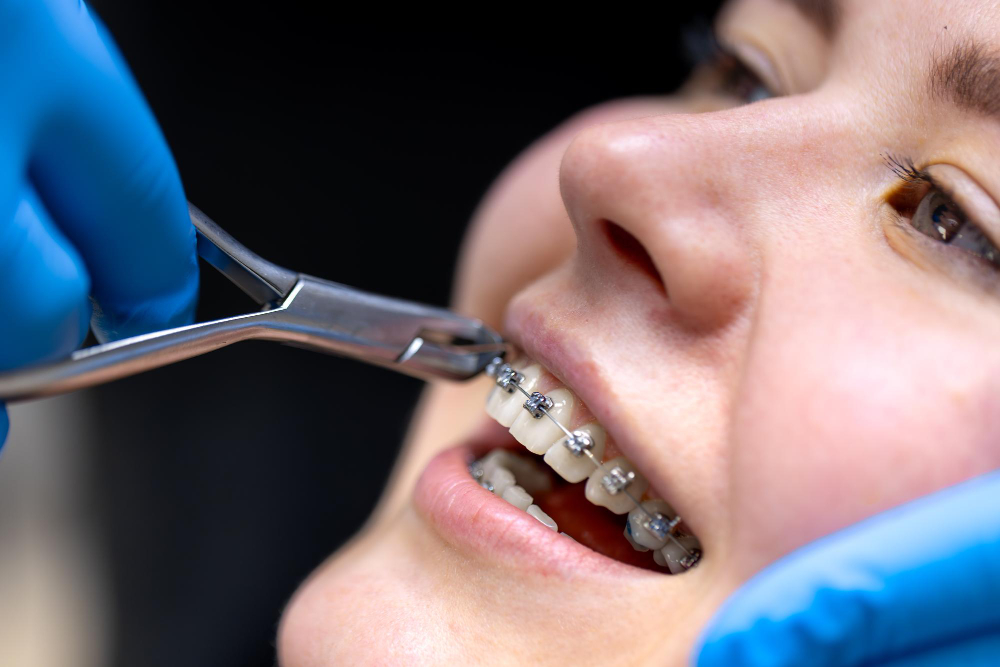
Braces are dental devices that gently move teeth into better positions. They use brackets, wires, or trays to apply steady pressure. Over time, this pressure shifts teeth into a straighter line. Dentists and orthodontists often recommend braces for children, teens, and adults who want to improve their bite or smile.
Common Reasons for Getting Braces
People get braces for many reasons. Some of the most common include:
For many, braces not only improve appearance but also help with oral health and function.
Types of Braces
There are several types of braces available today. Each type has its own benefits and drawbacks. Some popular options include:
Your dentist or orthodontist can help you choose the best type for your needs.
How Braces Work
Braces work by applying gentle, steady pressure to your teeth. This pressure causes the bone around your teeth to change shape. As a result, teeth move into better positions. Wires and brackets are adjusted regularly to guide the movement. With clear aligners, you switch to a new tray every few weeks to keep teeth moving in the right direction.
What to Expect During Treatment
Getting braces usually starts with a dental exam and X-rays. Next, your dentist will fit the braces or take impressions for aligners. At first, you may feel some discomfort as your mouth adjusts. Regular check-ups are needed to tighten wires or provide new aligners. Treatment time varies, but most people wear braces for 1 to 3 years. After braces are removed, you may need to wear a retainer to keep teeth in place.
Care and Maintenance Tips
Proper care is important for healthy teeth during braces treatment. Here are some helpful tips:
With good care, you can avoid problems like cavities or gum disease.
Potential Risks and Side Effects
While braces are safe, some risks and side effects can occur. These may include:
However, most side effects are mild and temporary. Good care and regular dental visits help prevent serious issues. (Source: American Association of Orthodontists)
Benefits of Braces
Braces offer many benefits beyond a straighter smile. For example, they can:
In the long run, straight teeth are easier to clean and keep healthy.
Prevention and Oral Hygiene During Braces
Good oral hygiene is even more important when you have braces. Food can get trapped around brackets and wires. Therefore, brushing and flossing carefully helps prevent cavities and gum problems. Using mouthwash and visiting your dentist often also keeps your mouth healthy. If you follow your dentist’s advice, you can enjoy a beautiful, healthy smile after treatment.
Conclusion
Braces are a proven way to straighten teeth and improve dental health. With many types available, you can find an option that fits your needs and lifestyle. For best results, follow care tips and keep up with dental visits. Consult Apollo Dental to find out if braces are right for you.