
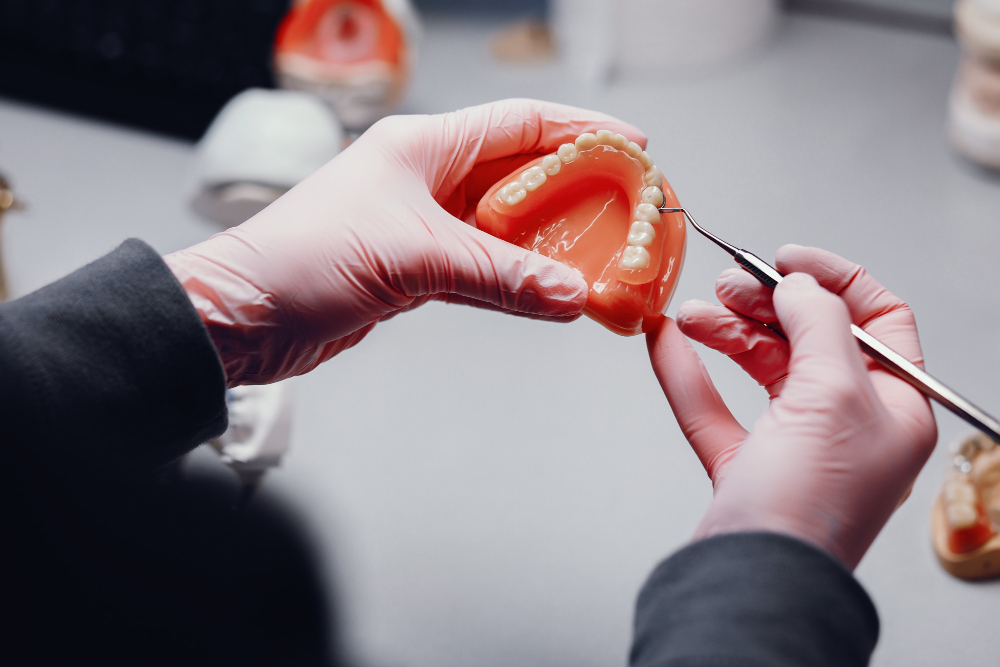
What Are Dentures?
Dentures are removable devices that replace missing teeth. They help restore your smile and make eating easier. Many people choose dentures when they lose teeth due to age, injury, or disease. Because dentures look natural, they can boost your confidence. In fact, there are many types of dentures to fit different needs. Dentures also support your cheeks and lips, which helps your face look fuller. If you are missing teeth, dentures may be a good solution.
Types of Dentures
There are several types of dentures. Each type serves a different purpose. Knowing the options can help you choose the best one for you. Here are the main types:
Each type has its own benefits. For example, implant-supported dentures feel more stable. However, your dentist will help you decide which is best.
Who Needs Dentures?
Not everyone needs dentures. However, you may need them if you have lost several teeth. People who have trouble chewing or speaking may also benefit. Sometimes, gum disease or injury leads to tooth loss. In these cases, dentures can help restore function. If you feel self-conscious about missing teeth, dentures may improve your quality of life. Your dentist will check your mouth and suggest the right option.
Benefits of Dentures
Dentures offer many advantages. First, they help you chew food better. This means you can enjoy a wider range of meals. Second, dentures improve your speech. Missing teeth can make it hard to say certain words. Third, dentures support your facial muscles. This helps prevent a sunken look. Other benefits include:
Because dentures are custom-made, they fit your mouth well. This makes them comfortable to wear.
How Dentures Are Made and Fitted
The process of getting dentures takes several steps. First, your dentist examines your mouth. Then, they take impressions to create a mold. After that, a dental lab makes your custom dentures. You will try them on to check the fit. Sometimes, adjustments are needed for comfort. The whole process may take a few weeks. However, your dentist will guide you at every step. Once you receive your dentures, you will learn how to use and care for them.
Caring for Your Dentures
Proper denture care is important for your health. Clean your dentures every day to remove food and plaque. Here are some easy steps:
Also, clean your gums and tongue each day. Regular care helps prevent mouth infections and keeps your dentures looking good.
Common Challenges and Solutions
At first, dentures may feel strange. You might have trouble speaking or eating. However, most people adjust within a few weeks. If your dentures feel loose, visit your dentist for an adjustment. Sometimes, sore spots can develop. In that case, your dentist can help. Here are some common challenges and tips:
With time and practice, most issues improve.
Tips for Living Comfortably with Dentures
Living with dentures gets easier with a few simple habits. For example, practice speaking out loud to get used to your new teeth. Eat slowly and chew on both sides of your mouth. Always handle your dentures with care to avoid damage. Here are more tips:
Because good habits make a big difference, follow your dentist’s advice for the best results.
Prevention and Oral Health Maintenance
Even with dentures, oral health is important. Brush your gums, tongue, and any remaining teeth daily. This helps prevent gum disease and bad breath. Also, see your dentist for regular exams. They can check the fit of your dentures and spot any problems early. If you notice changes in your mouth, tell your dentist right away. Good oral care keeps your mouth healthy and your dentures working well.
For more information or personalized advice, consult a dental specialist at Apollo Dental to find out if dentures are right for you.