Introduction
Oral ulcers are small sores that form inside the mouth. These mouth sores can cause pain and discomfort. Many people experience oral ulcers at some point in their lives. Because they can affect eating, drinking, and speaking, it is important to understand their causes and treatments. In this blog, you will learn about oral ulcers, mouth sores causes, oral ulcer treatment, and how to prevent mouth ulcers.
What Are Oral Ulcers?
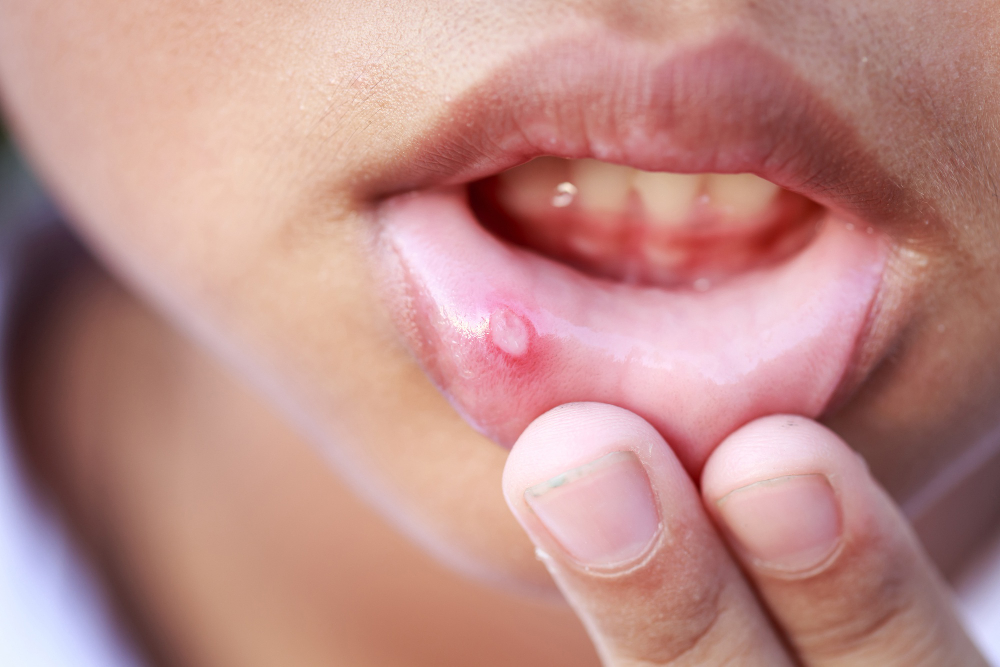
Oral ulcers are open sores that appear on the inside of the mouth. They can develop on the cheeks, lips, tongue, or gums. Usually, these sores are round or oval with a white or yellow center and a red border. Most oral ulcers are not serious and heal on their own. However, some may last longer or keep coming back.
Common Symptoms
Oral ulcers have clear signs. Recognizing these symptoms can help you seek the right care. Common symptoms include:
Sometimes, you may also notice mild fever or swollen glands. However, these are less common.
Causes and Risk Factors
There are many mouth sores causes. Often, oral ulcers develop for simple reasons. But sometimes, they can be linked to health problems. Common causes and risk factors include:
According to the World Health Organization (WHO), most oral ulcers are not linked to serious diseases. However, it is wise to watch for ulcers that do not heal.
Diagnosis
Usually, a dentist or doctor can diagnose oral ulcers by looking at them. However, if the sores last more than two weeks or keep coming back, further tests may be needed. These may include:
Early diagnosis helps rule out serious problems and guides proper treatment.
Treatment Options
Most oral ulcers heal without treatment in one to two weeks. However, some steps can help ease pain and speed up healing. Oral ulcer treatment options include:
For severe or frequent ulcers, your dentist may suggest special treatments. These can include steroid mouth rinses or other medicines.
Home Care and Lifestyle Tips
Simple home care can make a big difference. Try these tips to manage oral ulcers at home:
Additionally, you can use a straw for drinks to avoid touching the sore. This can help reduce pain.
Prevention Strategies
Preventing oral ulcers is possible in many cases. Here are some ways to help prevent mouth ulcers:
By following these steps, you can lower your risk of getting mouth sores.
When to See a Dentist
Most oral ulcers heal on their own. However, you should see a dentist if:
Early care can help find and treat any underlying problems.
Conclusion
Oral ulcers are common and usually not serious. However, they can cause pain and affect daily life. Knowing the causes, symptoms, and treatments can help you manage them better. If you have concerns or your ulcers do not heal, consult a dentist at Apollo Dental for personalized advice on oral ulcers.